Ships from our USA and CANADA stock — no extra duties or import fees for US and Canadian customers

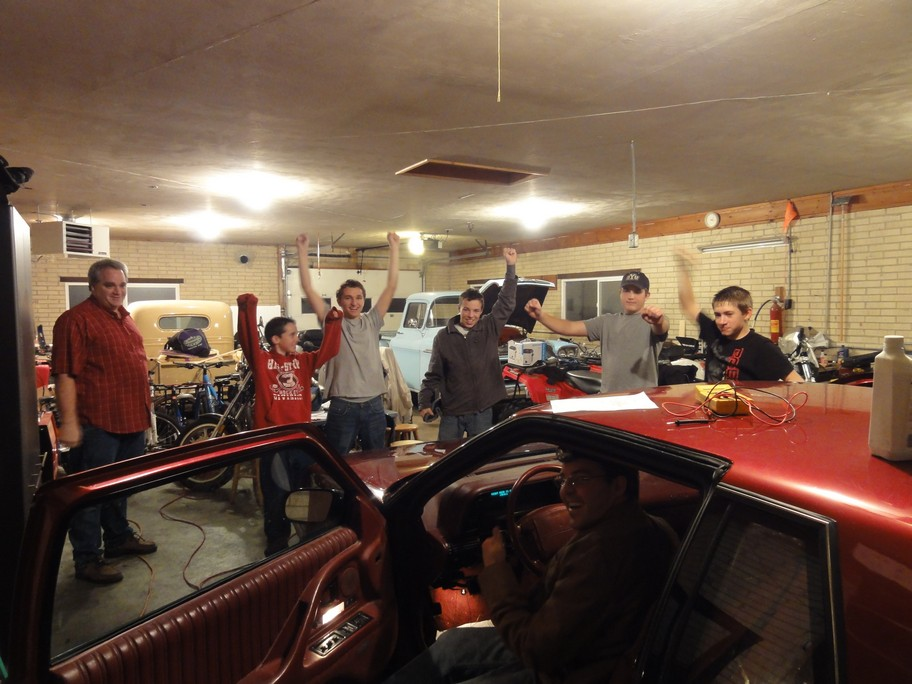
NEWROCKIES and Scout Troop 980 to save an old friend!
For this event NEWROCKIES provided Utah Troop 980 with a simplified version of the PRO Module’s design that they could build on their own.
Building a GM Passkey Bypass was a perfect fit for their Electronics Merit Badge and the only way to save an old friend!
We are so grateful to the Scout Master Benjamin Warren, from Utah, for this letter and we thank him and the Troop for their valiant efforts, and for permission to publish their story and fantastic photos!
It’s scary and can happen to anybody.
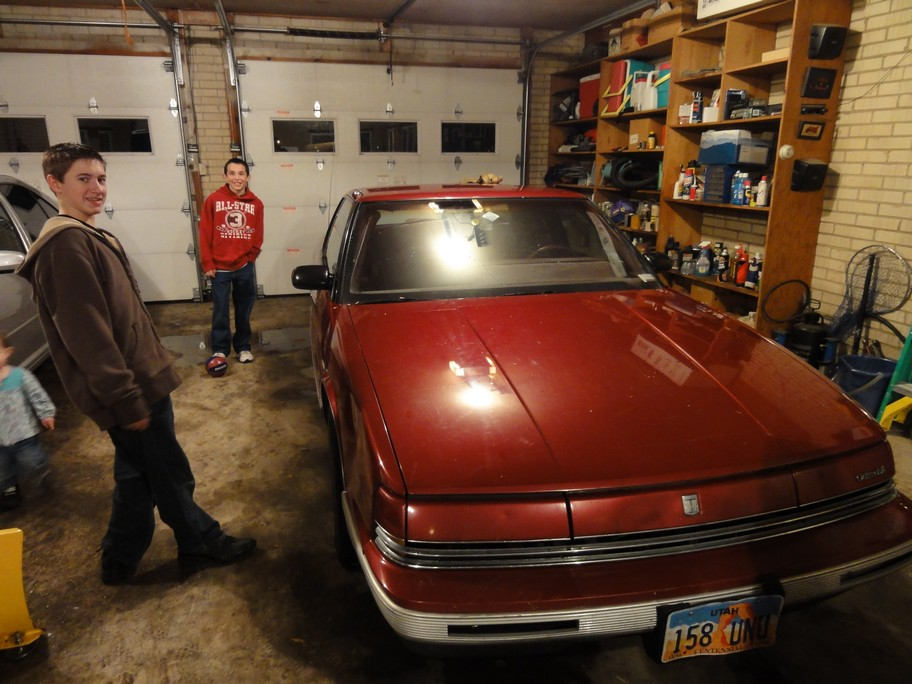
This ’92 Olds Toronado was given to me by a relative, and it’s been a trusty friend for years, until last summer when returning from a scout trip to “Hole in the Rock”, a 60 mile dirt road (no services) in Southern Utah that retraces the route that early pioneers took cross the Colorado River (now Lake Powell) when settling Southeastern Utah.
On the way home from S. Utah we stopped for gas, and the car wouldn’t start (fortunately for us, it didn’t happen somewhere out on Hole-in-the-Rock road!). After a few minutes, it started back up, but thereafter it would randomly fail to start once or twice a week.
I could tell it wasn’t the typical low battery, because the Olds would just as randomly start again, usually after 10+ minutes of “waiting.” Waiting usually meant pushing the vehicle away from the gas pump into a parking stall, trying in vain to analyze why this was happening, taking out the key and trying to put it back in while feeling “lucky,” running through the gears, disconnecting and reconnecting the battery, going back into the store for a few more items that I pretended to have forgotten to purchase, and finally calling my wife to come and rescue me, only then to have it start right back up! It made absolutely no sense. I seriously wonder how many people have been institutionalized after trying to bend their mind around such a perplexity.
Days would go by without a problem, and then, at the most inopportune time (of course), the dreaded silence at the turn of the key would return, and another round of the “waiting” game.
Discovering the truth of a GM Passkey Bypass
Fortunately, I decided to see what I could learn from an internet search before taking it to the shop. I learned about the resistor chip in the key, and decided to have a new key made to solve my problems. . .
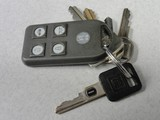
The local key shop wanted to charge me $35 dollars for a new key with the resistor chip (“no thanks!”), and I remembered that I had a spare somewhere at home. I went home and found the spare key, which wasn’t worn, and it worked!…for a few days. Aaargh!
Through additional searching, I learned that the key wasn’t the only component of the Passkey system, there was much more, key and lock were only the tip of the iceberg while the real culprit is often the TDM which is the brain of the entire Passkey system. I discovered that all those “resistor tricks” or “passlock bypass kits” around were bypassing only the key and lock while leaving the TDM completely untouched and faulty, or ready to fail. That’s when I came across the newrockies.com website and discovered the difference between a bypass and a FULL bypass.
The electronics merit badge!
I’m a scoutmaster in my local community and it just so happened that our troop had just started working on the electronics merit badge, so I thought building the simplified version of your GM Passkey bypass circuit would make a great hands-on, real-life electronics experiment for the troop (and if our efforts failed I could always go back and purchase the real PRO Module).
Before extracting the factory passkey circuit from the Olds, I decided to drive the car to town for the necessary electronic components (after all, the car had been ‘working’ for a few days). Radio Shack didn’t have the components, so I went to Central Utah Electronics Supply. When I left the store, the car wouldn’t start! And this time, the traditional “waiting” period didn’t work either.
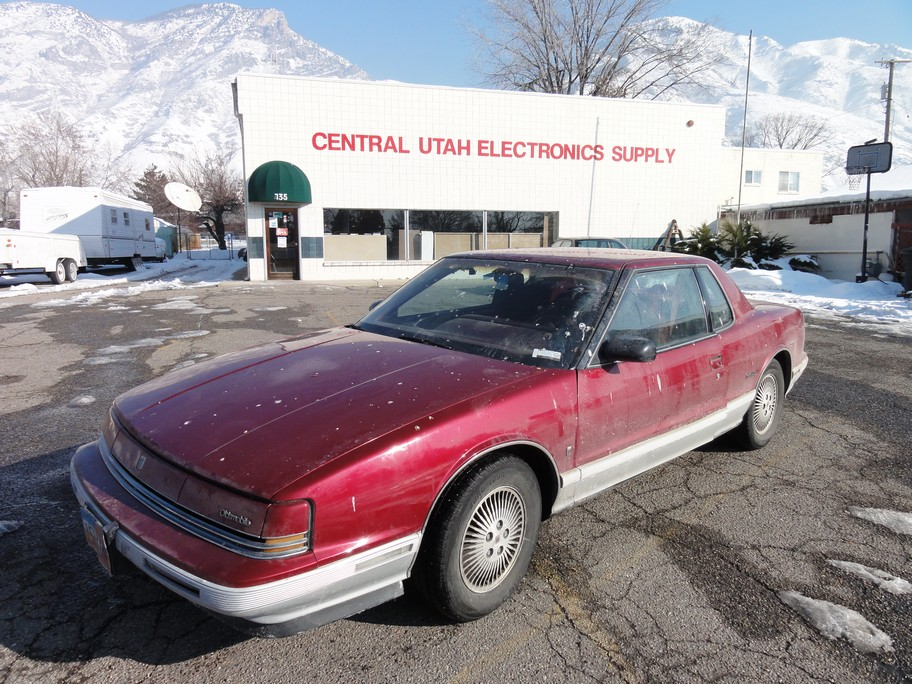
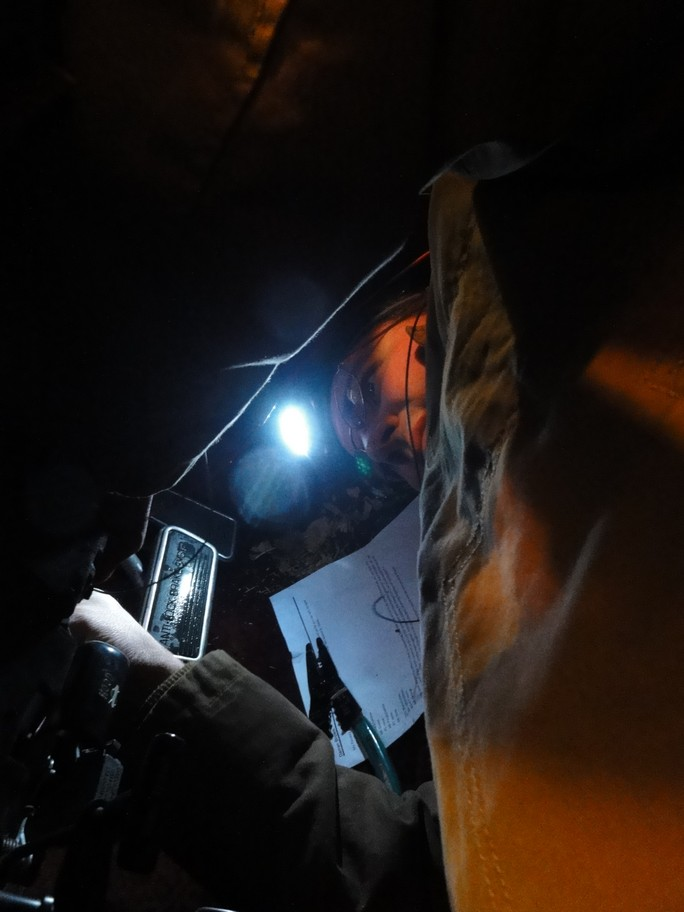
After getting the car back home, I promptly removed the factory passkey box. It was a little difficult to find, tucked way up underneath the dash board, but in the general area stated by the instructions. My passkey wire connector wasn’t arranged exactly as stated in the instructions, but close. Luke from newrockies.com responded to a quick email to confirm my hunch as to which wire was which in my wire configuration.
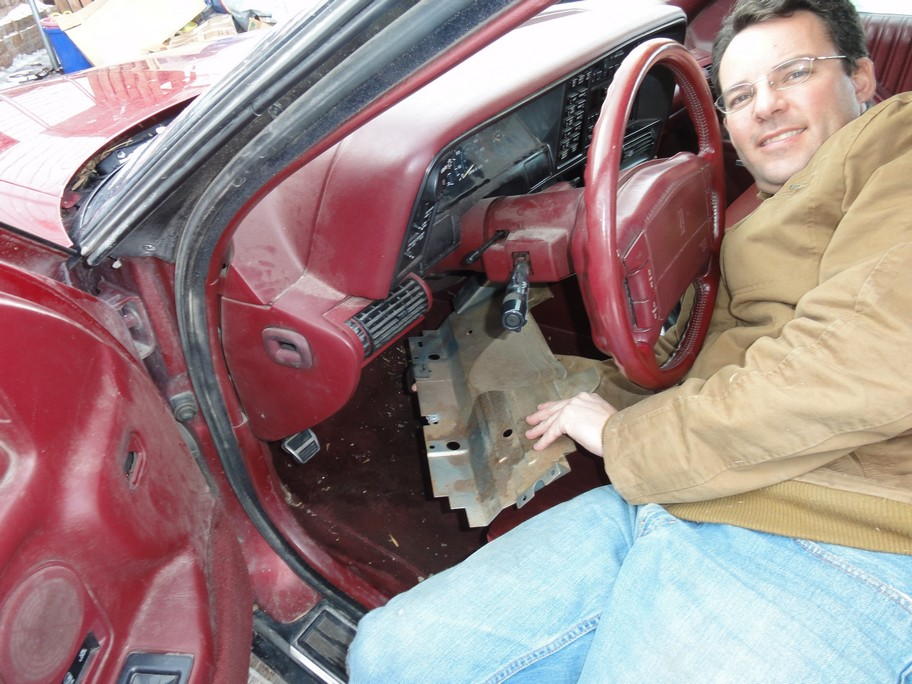
I wonder if the miles of washboards along Hole-in-the-Rock road had anything to do with the demise of this seemingly fragile security feature.
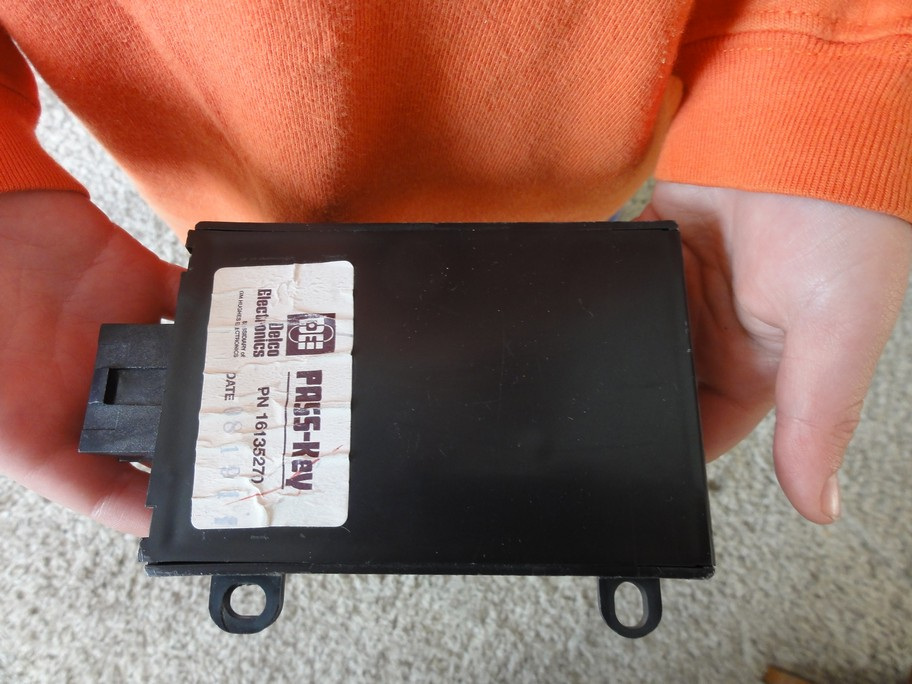
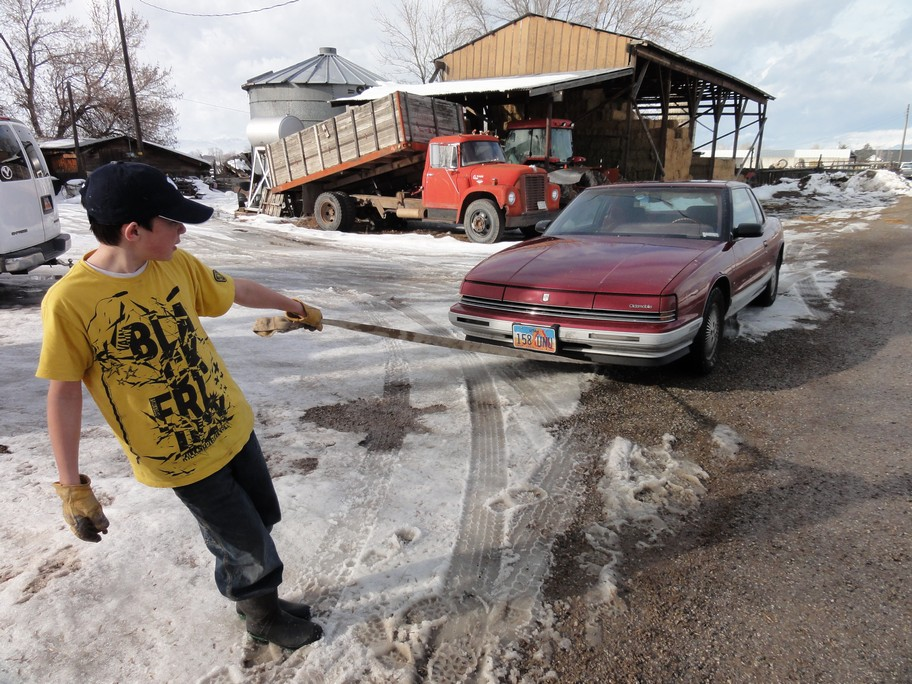
We towed the car to the garage of one of the other scout leaders, and had a long but successful scout activity that evening.
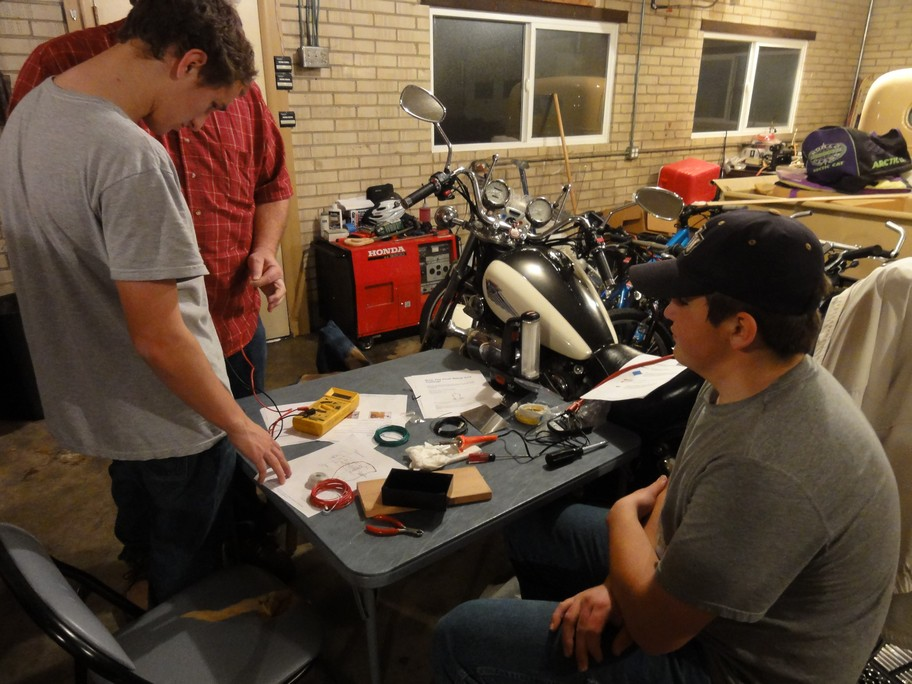
After explaining each of the components to the boys, we spent some time arranging things on the circuit board so as to minimize the need for soldering. We had to look up a couple of our components online to confirm which pins were which, but from there it was fairly straightforward.
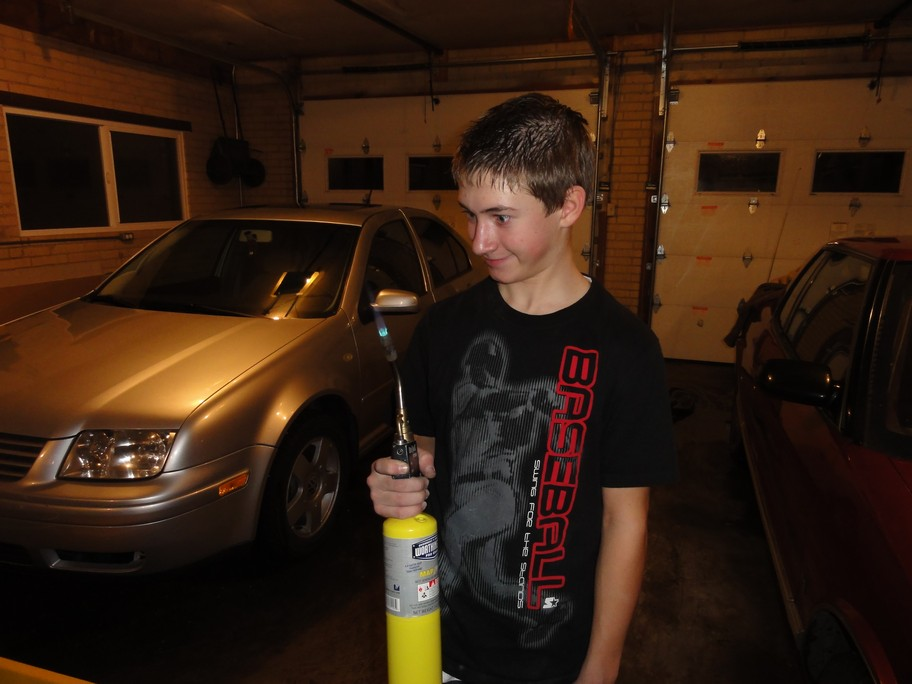
We ended up not using wires on the back of the circuit board, but just soldered the necessary pins together in lines (thanks to our efficient arrangement of components). Soldering the new circuit to the old wires was a bit difficult due to the inaccessibility of the old wires (they barely cleared the metal panel under the dash, and could only be reached by fingertip).
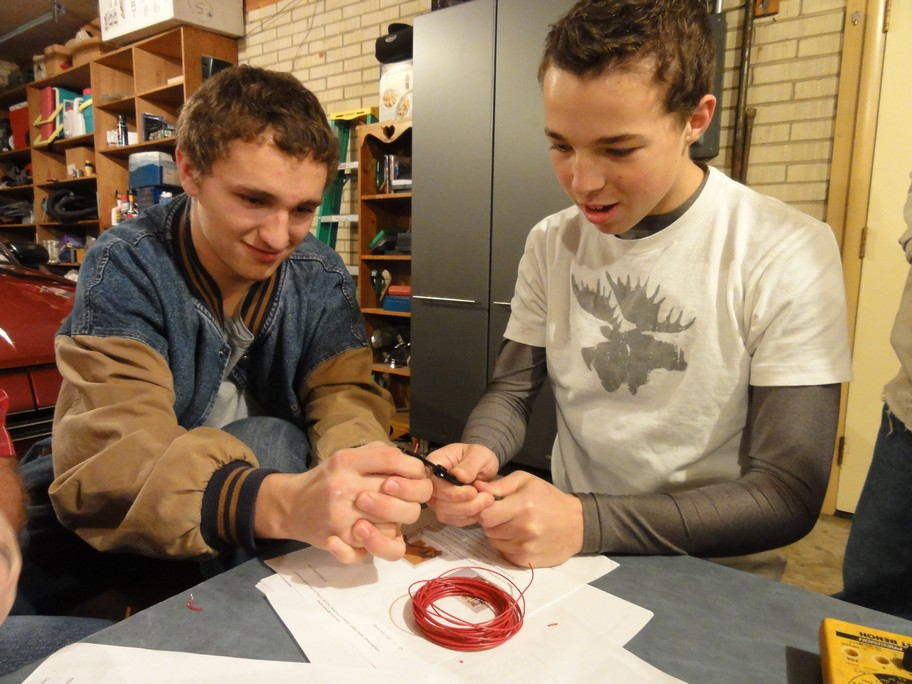
With the new circuit all connected, we tried starting the car, and it turned over!…for 1 second, then quit, and the dashboard panel glared a “security” error at us (interestingly, in all the previous random start failures, I never got a “security” error).
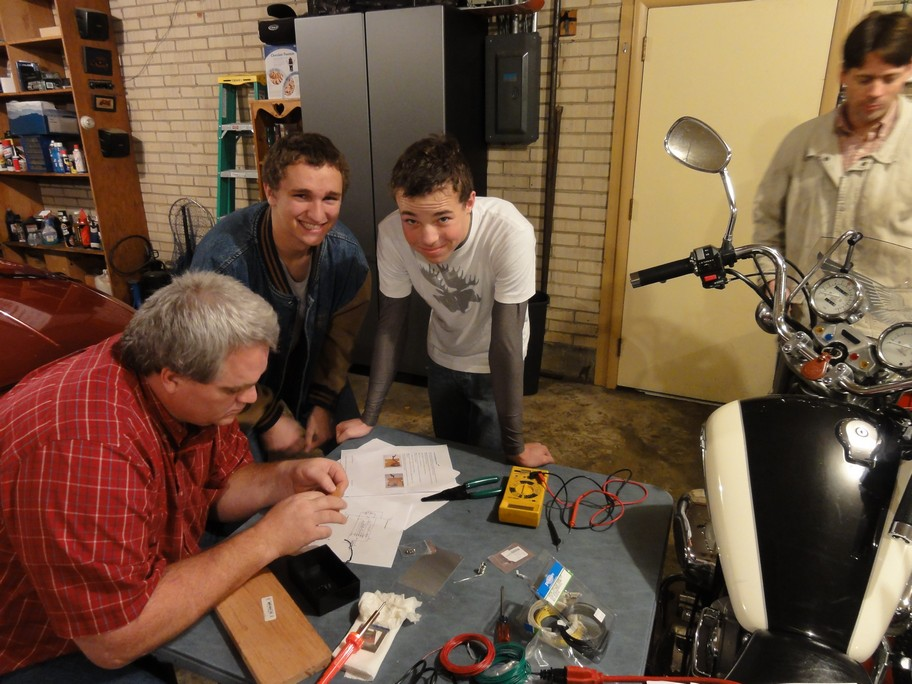
Out came the multimeter, and we went back over the whole circuit, testing each connection. One of our solder points needed just a bit more solder to make the connection. So we fixed that, tried again….and….it worked. The old Olds fired right up!!
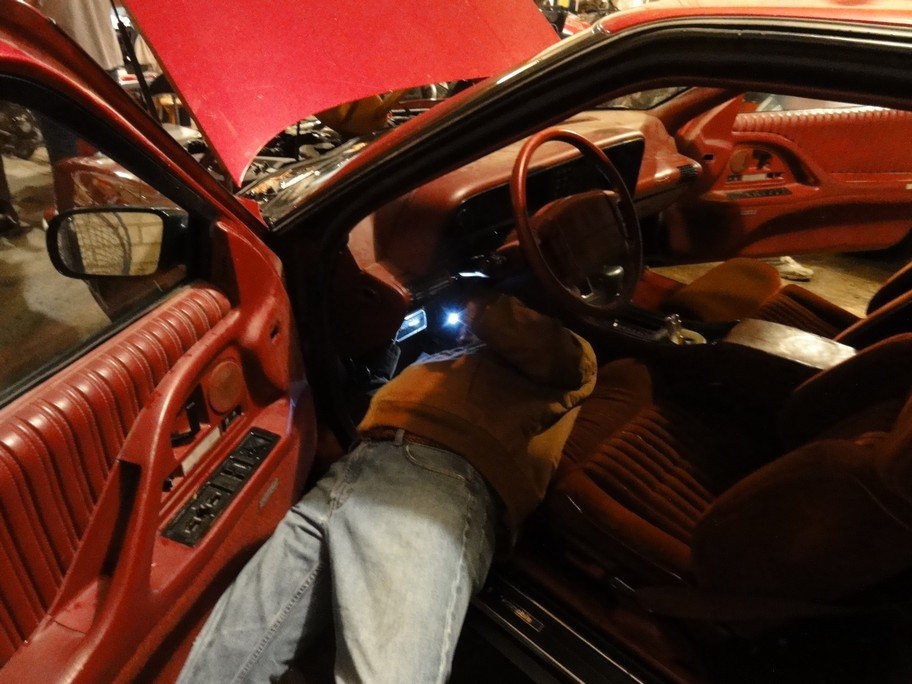
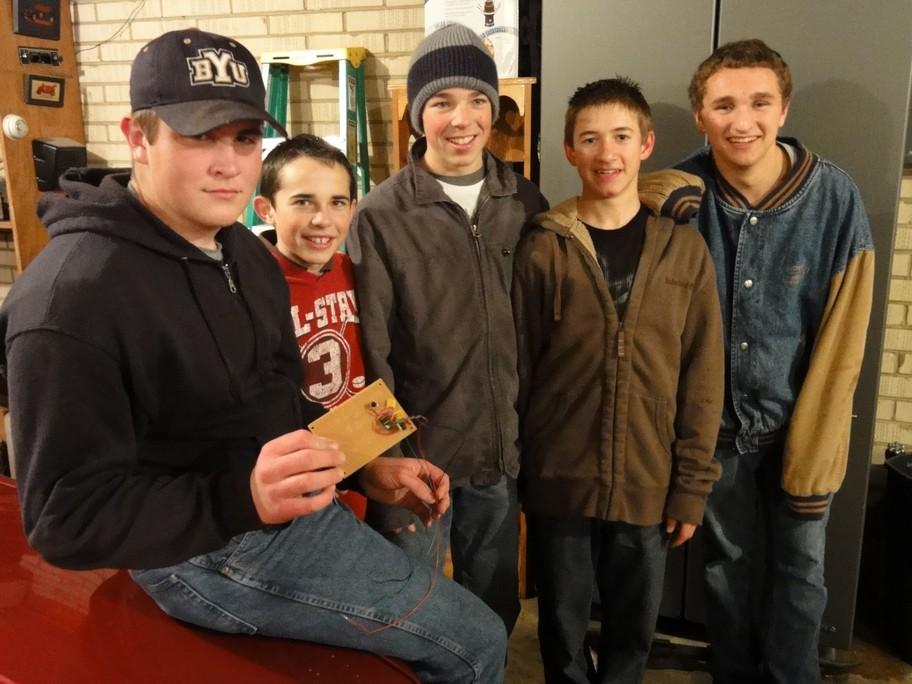
It was now 11pm (it took us 4 hours to put it together, test and fix it, but we called each parent to ask permission before keeping the boys late), and so we hopped in the car and drove to town for ice cream cones, as promised.
Could you make me a key with no chip please?
The next day on my way through town, I stopped at the key place and asked them to make a duplicate key for the Olds. They said, “Just so you know, those keys are 35 bucks each.” And you should have seen the look on their faces when I nonchalantly said “no, just make one without the chip… our boy scout troop built a GM Passkey bypass circuit last night to get rid of that security feature!”
The duplicate key worked – without chip – and the Olds continues to work without problems now.
Thanks again. Your great instructions and help brought my Olds back from the dead, and saved me hundreds of dollars in needless shop repairs!
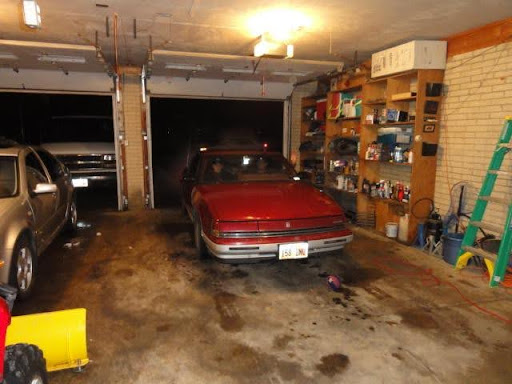
Time for Ice-cream at 11pm!
The Toronado’s Passkey hardware is shared with the same-era Buick Riviera and Cadillac Eldorado and Seville. If you’re working on one of these, the full wiring reference is in the 1990–1992 installation guide.
Related stories on the blog. More stories from the blog: Desiree’s Toronado and Jack’s Impala SS.