Ships from our USA and CANADA stock — no extra duties or import fees for US and Canadian customers

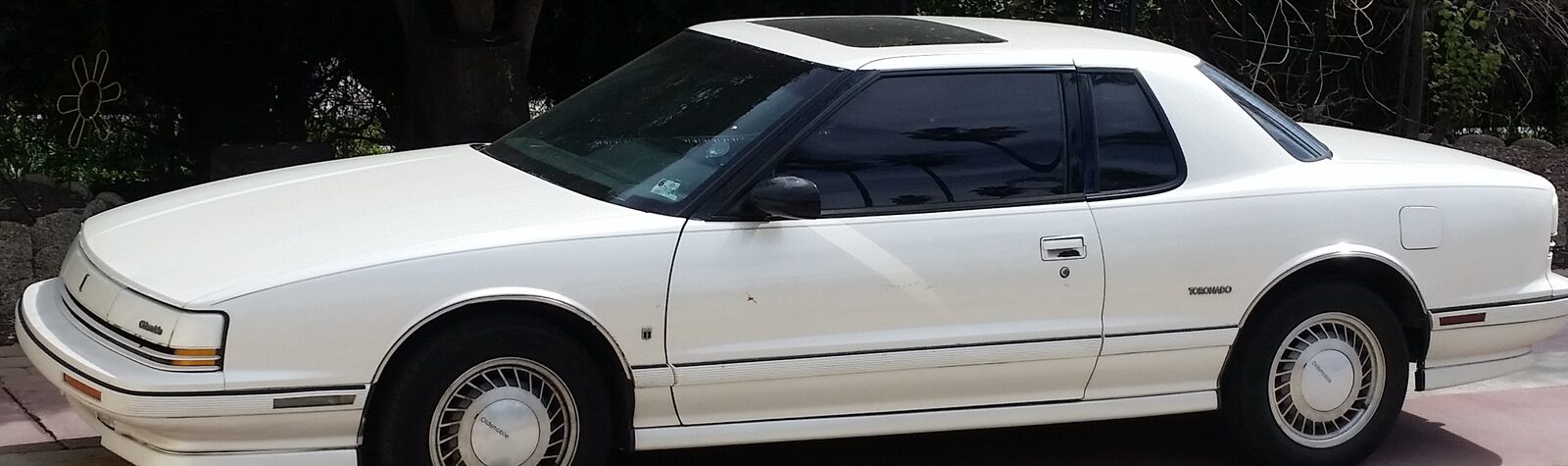
Desiree’s 1992 Oldsmobile Toronado VATS Fix
The story came in to our Monthly Contest in March 2017 under Desiree Russ’s name, written up by her husband John from San Bernardino, California. Their 1992 Oldsmobile Toronado had reached the stage most owners of these cars eventually reach: it still ran perfectly, and it still could not be relied on to start. Desiree was the one paying for that.
In his own words
“NEW ROCKIES PRO MODULE SUCCESS! You saved my 1992 Oldsmobile Toronado, it was always leaving my wife stranded at work.”
That is the part of these stories that rarely makes it into a repair estimate. The car was not stranding John. It was stranding his wife, at her workplace, on somebody else’s schedule.
Two wires under the dash
Before the module, they had worked out a manual trick to get the car going. It is a common one, and it tells you exactly what was failing.
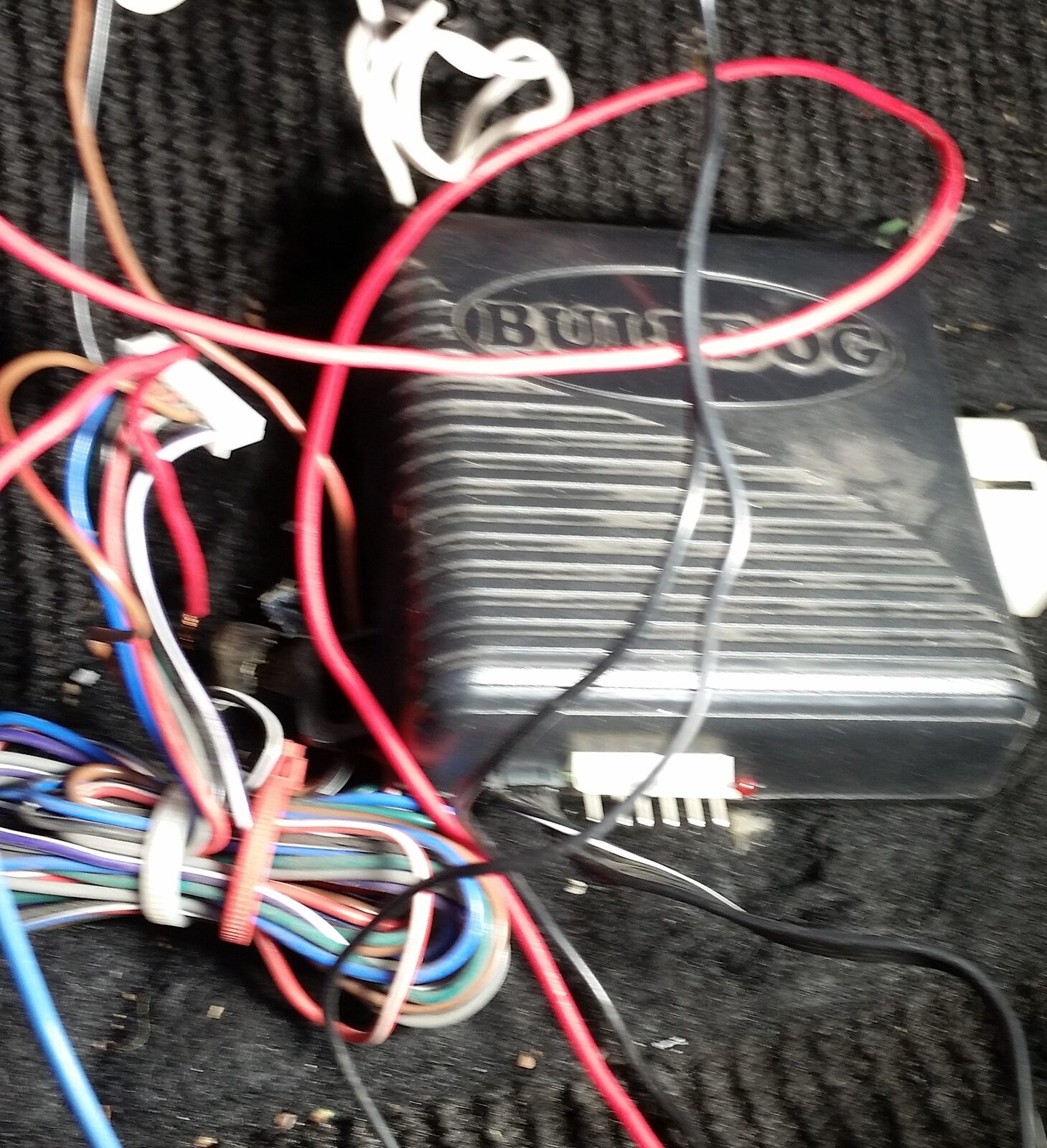
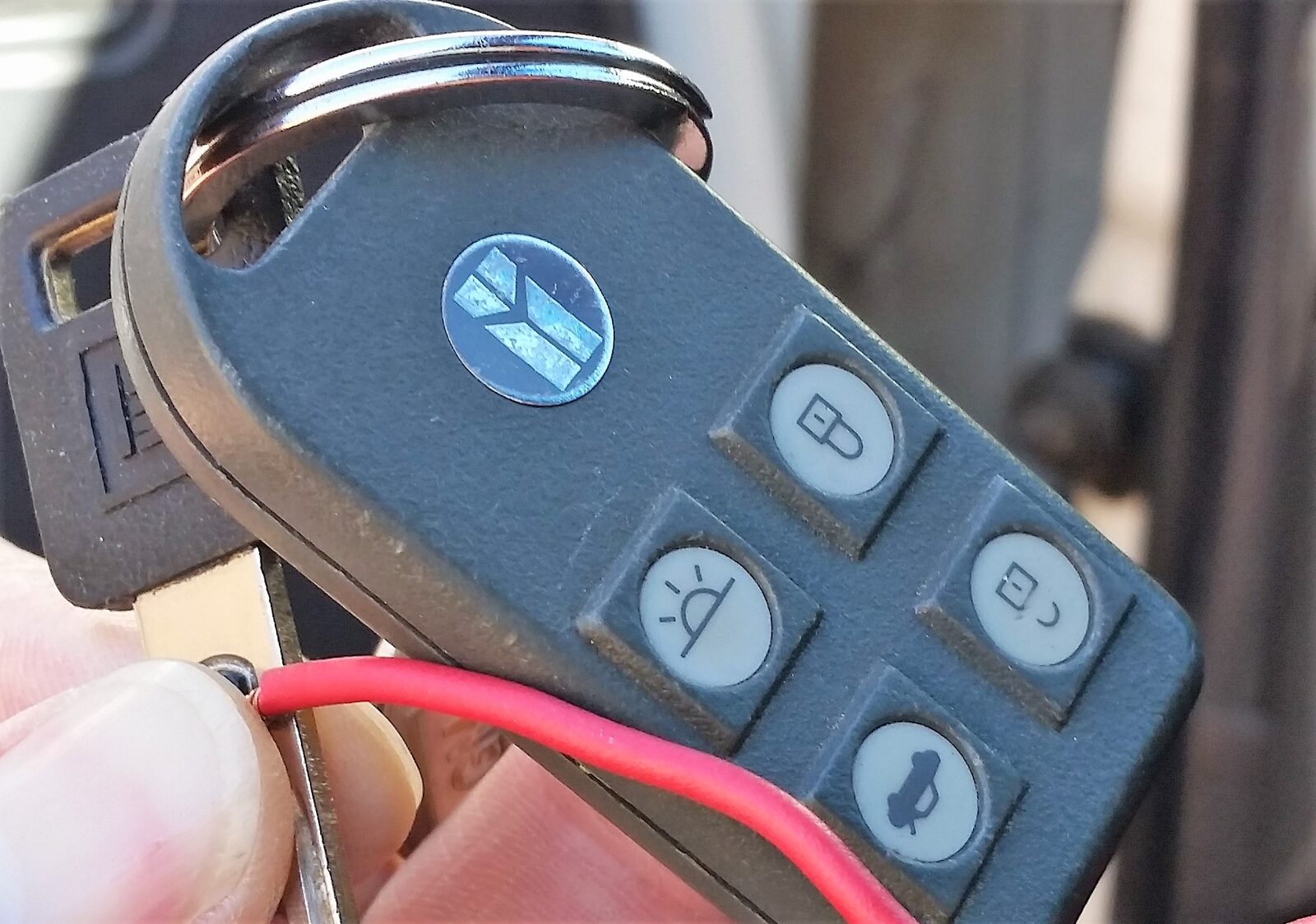
“We would have to use 2 wires from under the dash to touch the security key every time the car wouldn’t start. Then one day it just quit starting.”
Reaching under the dash to bridge the security circuit by hand is not a repair. It is a daily toll. And like every workaround on these cars, it worked right up until the day it did not.
The complication nobody warned him about
“We ordered the Pro Module and received it in 4 days. I immediately contacted tech support because someone had wired in a remote start setup that obviously failed. What a wiring nightmare and hack job they did. They spliced into all the wires under the steering column.”
This is worth pausing on, because it catches people out regularly. A previous owner, or a previous shop, had fitted an aftermarket remote start and spliced it into the column harness. That system had since failed, but its splices were still there, sitting in the middle of every wire the install depends on.
“Tech support was great and confirmed to remove the old failed device and then install the new Pro Module.”
The advice was the only correct advice: take the dead remote start out first. Installing over the top of a failed aftermarket system means you are wiring into somebody else’s mistakes, and any fault that appears afterwards becomes impossible to attribute. If you find unexpected splices under your column, stop and call before you cut anything.
Forty minutes, four wires
“It literally took me 40 minutes to install the Pro Module and I only had to connect 4 wires!”
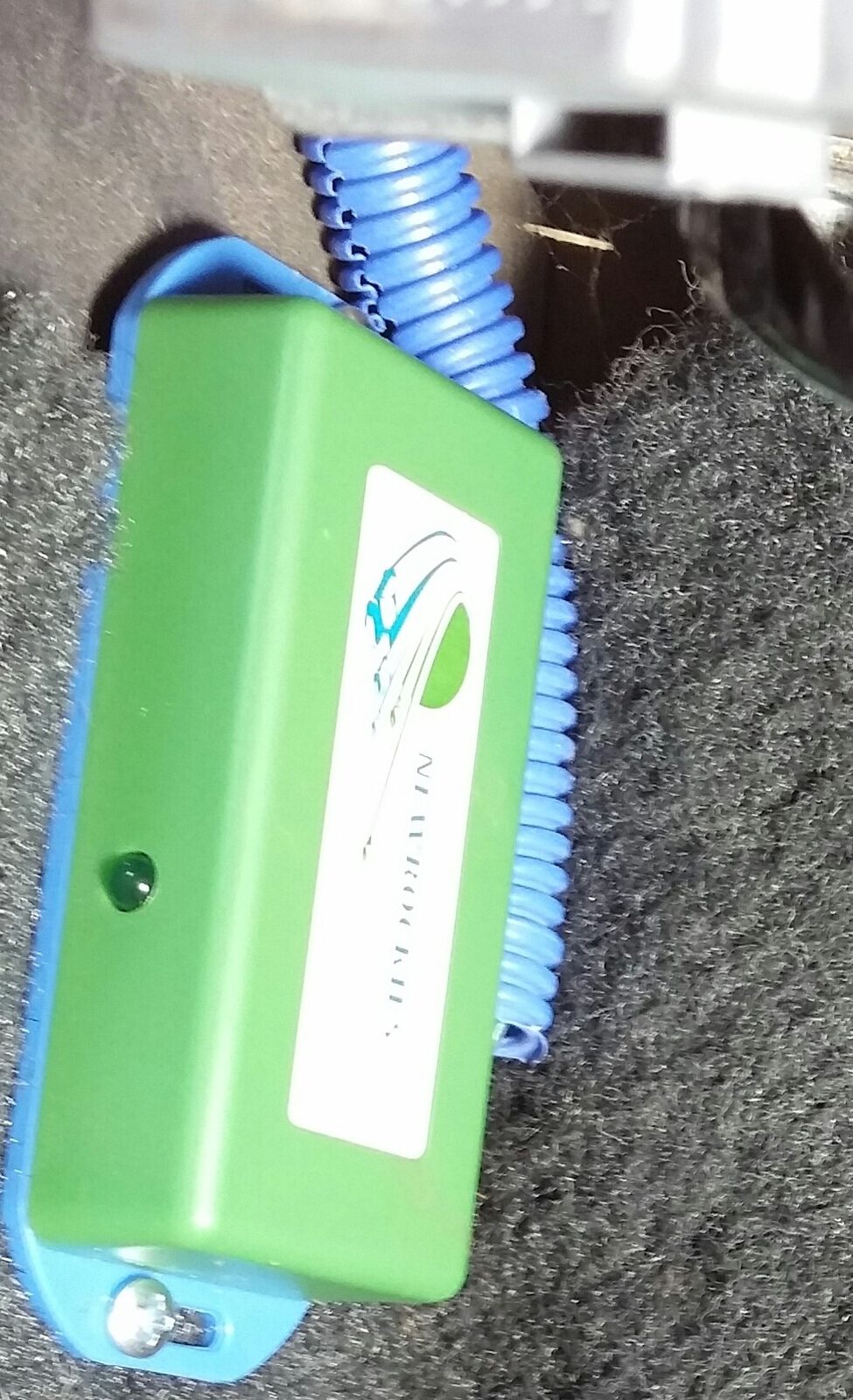
“Now we can see the LED green light on the Pro Module telling us we are good to go and a Lifetime Warranty. No more dreaded calls ‘Honey the car won’t start’.”
What is actually failing on a Toronado
The 1990 to 1992 Toronado belongs to a small family of GM cars, alongside the Buick Reatta and Riviera and the Cadillac Eldorado and Seville, that use a PassKey Decoder Module, or PDM. It sits under the left side of the dash, above the parking brake area, rather than in the more familiar locations further down the column.
The system works by reading a resistor pellet moulded into the blade of your key. The lock cylinder has two tiny contacts that touch that pellet as the key goes in. The decoder measures the resistance and compares it against the value it expects. Get the right number and it releases the starter and the fuel injectors. Get the wrong number, or no number at all, and it shuts the car down and waits.
After thirty years, the failure is almost never the key. It is the reading of the key. The contacts in the cylinder wear and go intermittent, the tiny wires that run from them flex every time the tilt wheel moves and eventually fracture inside their insulation, and the decoder itself ages. The result is a car that starts nine times and refuses on the tenth, with no pattern you can predict and nothing a scan tool will confirm. That is why John’s two-wire trick worked: he was manually supplying the resistance the decoder wanted to see.
The PRO Module removes the question entirely. It does not simulate a key or fool the decoder into agreeing. It takes the decoder out of the starting circuit, so there is no resistance to measure, no contact to wear and nothing left to go intermittent.
If you have one of these cars
“If your car won’t start, don’t hesitate to buy a New Rockies Pro Module. It is worth the money and they are there to support you.”
If you are reaching under the dash to bridge two wires before work, or watching the security light and guessing, the wiring for your car is already written up. The step by step is here: 1990 Buick Reatta, 1990-1992 Riviera, 1989-1991 Cadillac Eldorado and Seville, 1990-1992 Oldsmobile Toronado.
Related stories on the blog. More Oldsmobiles: Regina’s 1997 88 and Alvin’s Aurora. And a second case of a dead aftermarket system: Jack’s Impala SS.